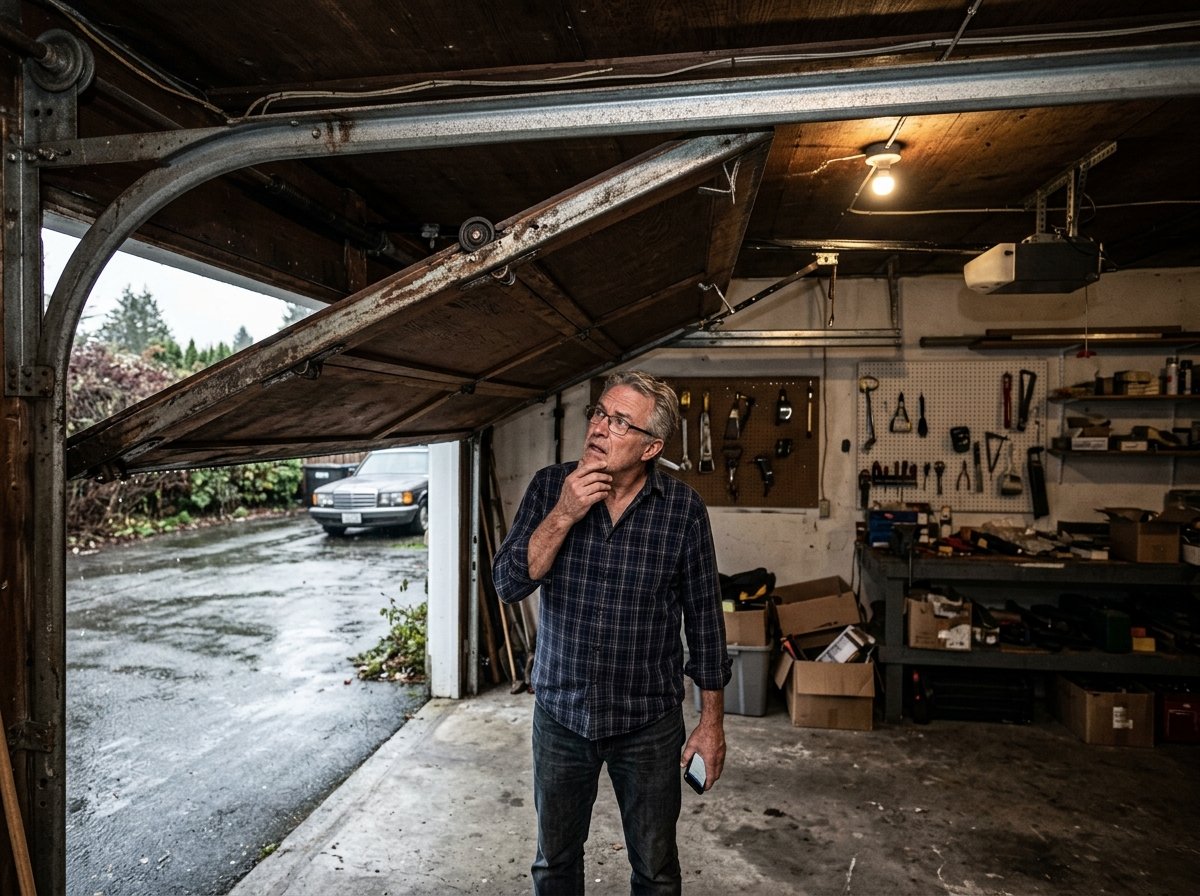
Your garage door won’t open and you may feel stuck. Do not keep pressing the remote or pulling hard on the door. If the door is heavy, crooked, loud, or stuck halfway, book emergency garage door repair before the damage spreads. DoorPatrol Garage Door Repair Vancouver can inspect the door, opener, tracks, and safety parts before anyone gets hurt.
Quick overview
- The opener hums, but the door does not lift.
- The door rises a few inches and drops back down.
- One side looks lower or the door looks crooked.
- You hear a bang, snap, grind, or scrape.
In this guide
- A trained technician can find the real cause before parts are replaced.
- A safe check is better than forcing a heavy door open.
Simple version: stop and call when the door acts unsafe.
- Do not stand under a stuck door.
- Do not remove springs, cables, or brackets.
- Do not keep hitting the wall button.
- Move kids, pets, and cars away from the door.
TLDR: When To Call A Technician
- Call if the door is crooked, jammed, loud, or too heavy.
- Call if the opener runs but the door does not move.
- Call if a spring, cable, roller, sensor, or track may be damaged.
What It Means When Your Garage Door Will Not Open
A stuck garage door is not always an opener problem. The opener may be working, but the door may be blocked by broken hardware. If the motor runs and the door stays down, the next check is often opener repair plus the moving parts around it.
Context (what matters in this situation):
- A dead remote battery is simple, but a heavy door is not.
- A blinking sensor light can stop the door from closing or moving right.
- A bent track can make the rollers bind.
- A broken spring can make the opener strain or stop.
7 Reasons To Call A Garage Door Technician
The safest reasons to call are simple: the door is too heavy, uneven, blocked, noisy, or not listening to the opener. A broken spring needs spring repair, and a loose cable may need cable repair before the door can move safely again.
What this usually looks like (real-world flow):
- Reason 1: the spring snapped or lost tension.
- Reason 2: the cable slipped, frayed, or came off the drum.
- Reason 3: the opener gear, chain, belt, or trolley is not moving the door.
- Reason 4: the track, roller, hinge, or panel is jammed.
- Reason 5 to 7: the sensor, lock, or manual release is causing trouble.
Details to confirm (so you get the right help fast):
- A door that lifts only a few inches may be too heavy for the opener.
- A tilted door can point to cable, track, or roller trouble.
- A door that reverses may have sensor or travel-limit trouble.
What you should get as the outcome:
- A technician can test the door balance before using the opener again.
- A technician can find which part failed instead of guessing.
- A technician can lower the door safely if your car is trapped.
Will A Home Plan Or Membership Cover This?
A warranty, home plan, or membership may help, but it may not cover every stuck-door cause. Read the rules before you wait. If a safety eye is blocked or broken, sensor repair may be needed before the door runs right.
Limits / constraints (what can slow things down):
- Some plans exclude wear-and-tear parts.
- Some plans need approval before repair starts.
- Some plans cover the opener but not door hardware.
- Some plans charge a visit fee even when the repair is denied.
Hidden costs to watch for:
- After-hours fees may apply if you need help at night.
- Parts, labour, and service call fees may be separate.
- Extra work may be needed if the track or panel is bent.
- Ask what is included before saying yes.
What To Do Right Now If The Door Will Not Open
First, stop using the opener. Look from a safe distance for a broken spring, loose cable, blocked sensor, or bent rail. If the door is off line, book track repair instead of trying to shove it open.
- Unplug the opener only if you can reach it safely.
- Tell the technician what you heard, saw, and tried.
Our Recommendations Before panel replacement
Take one photo of the door from inside the garage if it is safe.
Tell the dispatcher if a car is trapped behind the door.
Do not pull the red cord if the door is already crooked or open.
Do not add oil to cables, drums, springs, or sensors.
Keep the opener remote away from kids until the door is checked.
Ask for the likely visit fee and parts range before work starts.
Safety Steps Before A Technician Arrives
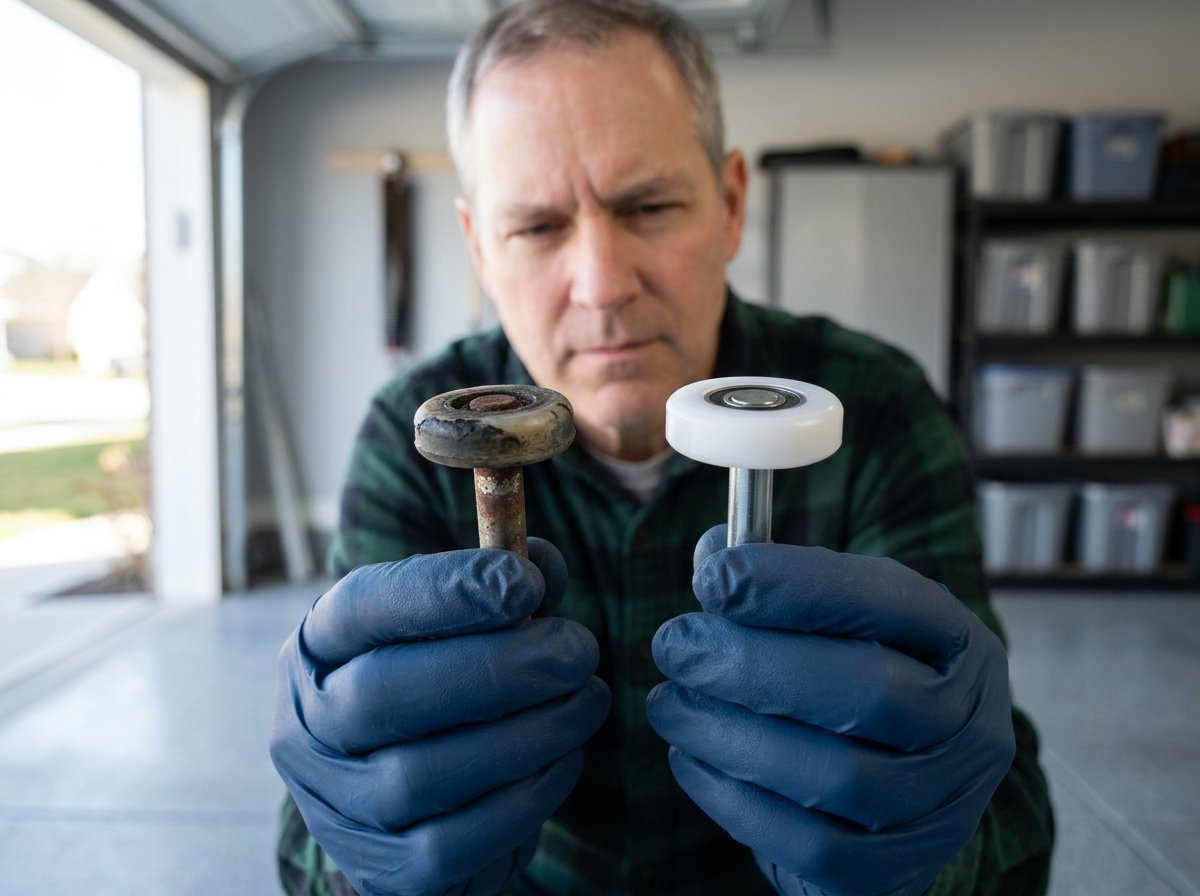
A stuck door can fall, shift, or bind without warning. If rollers look loose or the door is rubbing the rail, ask about roller replacement instead of testing the opener again.
A good option is:
- Step 1: keep people, pets, and bikes away from the opening.
- Step 2: stop pressing the remote or wall button.
- Step 3: do not touch springs, cables, drums, or bottom brackets.
- Step 4: leave the door where it is if it is crooked.
- Step 5: wait for a technician if the door is too heavy.
Scenario 1: The Door Opens A Few Inches Then Stops
This often means the opener is fighting a heavy or stuck door. A torsion spring problem can look like an opener problem, so ask for torsion spring replacement only after the door balance is checked.
Do this:
- Do not keep trying to lift it with the opener.
- Listen for grinding, popping, or clicking.
- Tell the technician how far the door moved.
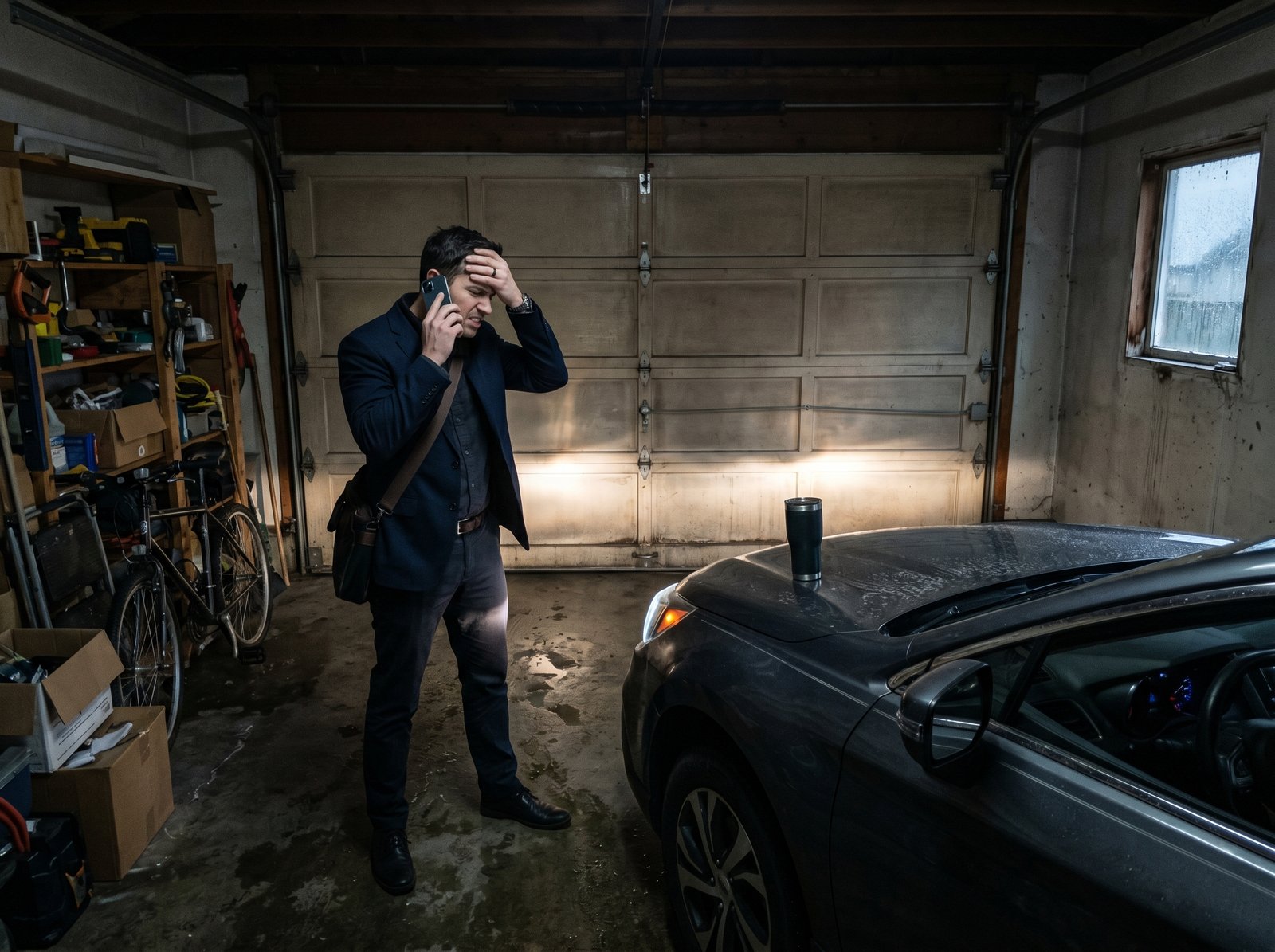
Scenario 2: Your Car Is Trapped Inside
When your car is stuck in the garage, it is easy to rush. Do not pull parts loose to get out. Read the trapped-car garage door guide if you need the safest next step.
We recommend this:
- Say if the car must leave for work, school, or medical needs.
- Clear boxes and tools away from the door area.
- Keep the door closed if it is hanging unevenly.
Scenario 3: The Door Moves But Scrapes Or Sticks
A scraping door may have worn hinges, damaged weather seal, or a shifted panel. If the bottom seal is torn or dragging, ask about weather stripping replacement before water and cold air get in.
Here’s a simple path forward:
- Stop the opener if the door rubs hard on one side.
- Look for a bent bottom edge or loose hinge screws.
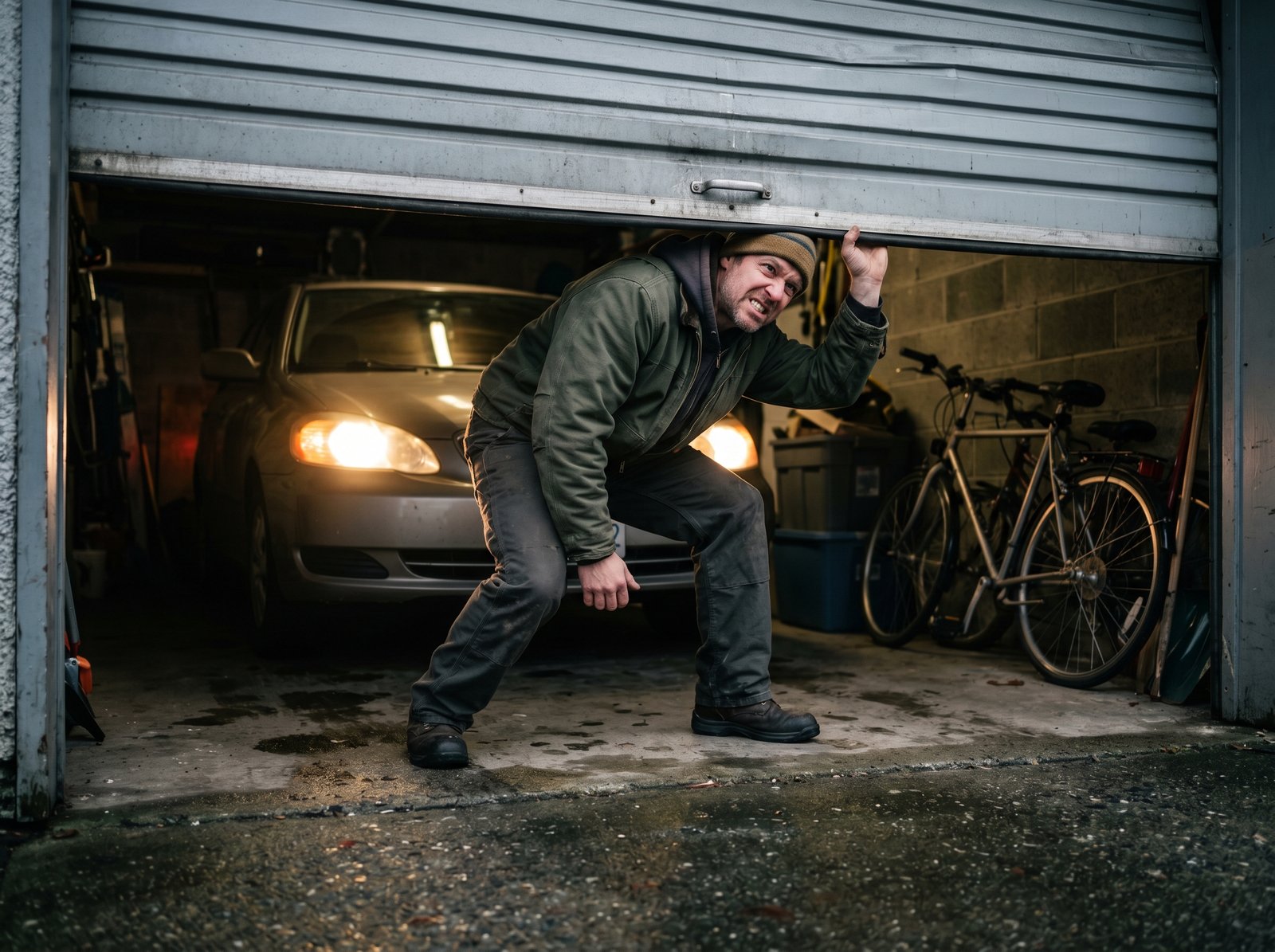
- Do not force a door that is stuck in the track.
Suggested plan:
Step 1: Call Before You Force The Door
Tell the technician the door position, what noise you heard, and whether the opener light is flashing. This helps them bring the right tools and parts.
Step 2: Share The Exact Garage Location
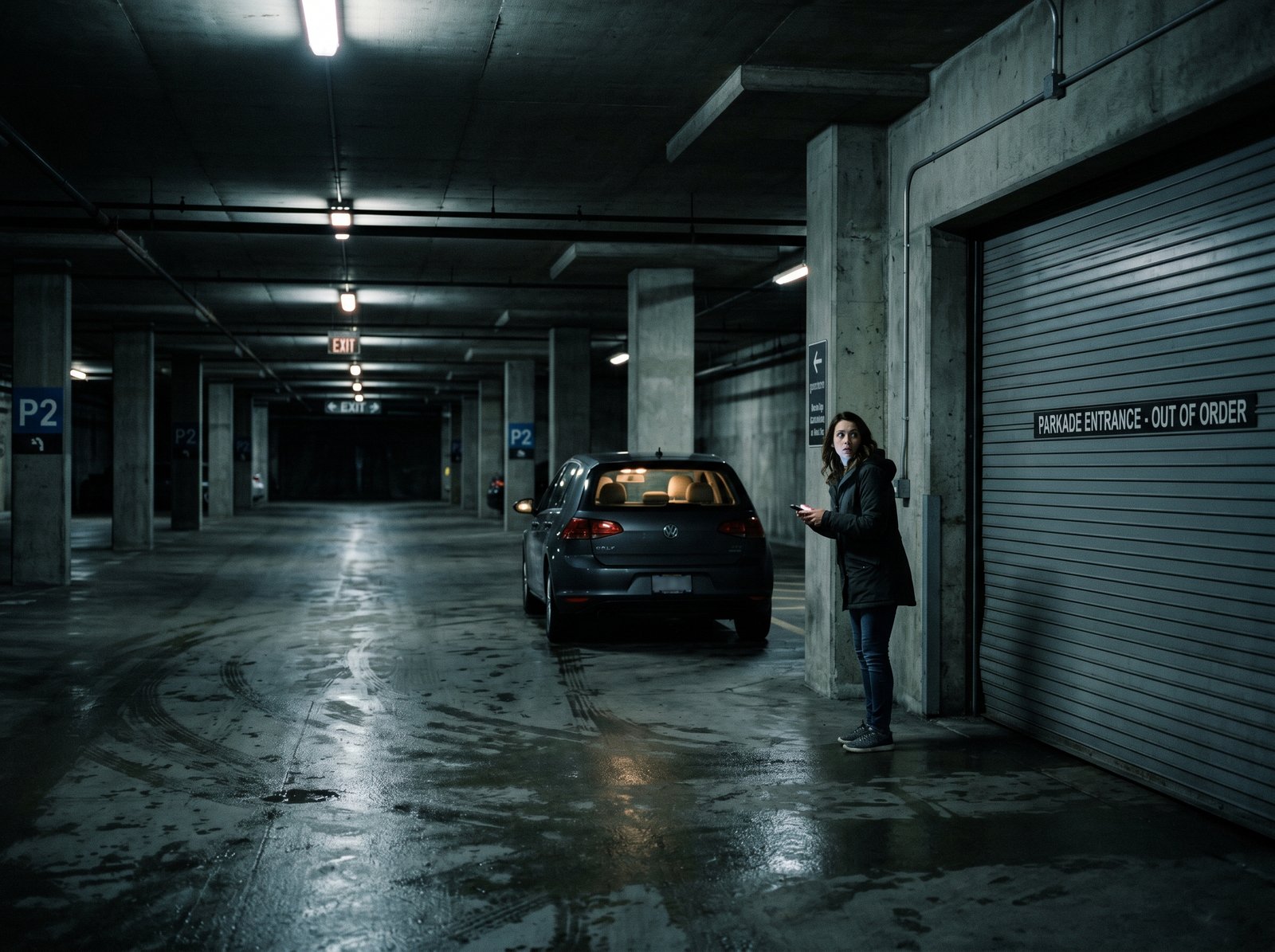
Send the address, lane access, parkade gate note, and closest cross street. If you are in a condo, say whether the technician needs buzzer access or a fob.
Step 3: Choose The Closest Repair Type
Pick the service that sounds closest, but do not guess too hard. If the door is near Commercial Drive and you are unsure about the red cord, read this manual release warning first.
UL door operator safety update
This resource helps explain why modern garage door systems use safety devices and reversal rules. It gives helpful background when a door will not move, reverses, or refuses to close. Read the UL door and gate operator safety update before changing opener settings or bypassing safety parts.
Garage Door Won’t Open Vancouver FAQs
Can I pull the emergency release if my garage door will not open?
Only pull it if the door is fully closed, straight, and not heavy. If the spring or cable is broken, the door can drop. Call a technician when the door looks crooked or feels unsafe.
Why does my opener run but the door does not move?
The opener may be disconnected from the door, or an internal part may have failed. It can also happen when the door hardware is stuck. This opener runs but door does not move guide explains common causes.
Is a broken spring dangerous?
Yes. A spring helps hold the door weight. Do not loosen spring parts, drums, cables, or bottom brackets yourself.
Can I open the garage door by hand?
Maybe, but only if it feels light and moves evenly. Stop right away if it feels heavy, binds, or drops. A heavy door can hurt you or damage the opener.
Why does the garage door stop halfway?
It may be binding on the track, hitting a bad roller, or running into a limit setting problem. A loose hinge can also make the door shift, so ask about hinge replacement if the door bends at one section.
What should I tell the technician before they arrive?
Say if the door is open, closed, crooked, or stuck halfway. Share the opener brand, any flashing lights, and whether your car is trapped. This helps the visit start faster.